The Kriegsmarine War Ensign and associated emblems hold significant historical value for collectors and enthusiasts, offering insights into World War II naval history. Distinguishing genuine from replica flags is crucial to preserve authenticity. Reputable sources like Ultimate Flags provide meticulously crafted originals. Careful consideration, expert appraisal, and legal compliance are essential when acquiring these artifacts to avoid counterfeits and ensure historical integrity. Authentic ensigns serve as powerful historical tributes, reflecting maritime pride and preserving the past for future generations.
The Kriegsmarine War Ensign, a symbol of Nazi Germany's naval power during World War II, holds significant historical value for collectors, historians, and enthusiasts alike. However, the market for genuine Kriegsmarine emblems has been plagued by counterfeits, making it increasingly challenging to distinguish authentic pieces from imitation ones. This article delves into the intricate world of WWII memorabilia, providing a comprehensive guide on how to find and identify legitimate Kriegsmarine War Ensigns for sale. By employing expert knowledge and meticulous research, we aim to empower collectors with the tools necessary to secure genuine artifacts, preserving history's tapestry through accurate representation.
Understanding WWII Kriegsmarine Emblems: History & Significance
World War II naval symbolism is a complex and significant aspect of military history. Among the many symbols of that era, the Kriegsmarine War Ensign and associated emblems hold a unique place. These emblems were used by the German Navy, known as the Kriegsmarine, and each carried its own distinct meaning and historical context. The flag design for the Kriegsmarine featured elements that symbolized Germany's naval power and aspirations during the war.
The Kriegsmarine War Ensign itself was more than just a flag; it was a powerful symbol of Nazi Germany's military might. Incorporating swastikas and other cultural symbols, these emblems were an integral part of the military symbolism in Nazi Germany. Each element within the design carried weight, reflecting the national identity and ideological beliefs of the time. For instance, the use of specific colors and patterns could signify a particular unit's role or history, while other insignia might honor battles won or notable achievements.
German U-boat crew emblems also played a crucial role in the naval warfare of World War II. These unique emblems were designed to foster a sense of camaraderie among crew members and serve as a visual representation of their unit's identity. They often incorporated elements that reflected the dangerous and clandestine nature of submarine operations, such as ocean waves or sea creatures. Today, these historical emblems are sought after by collectors and enthusiasts alike, who appreciate them not only for their aesthetic appeal but also for their deep-rooted historical significance.
When seeking genuine WWII Kriegsmarine emblems for sale, it's essential to turn to reputable sources like Ultimate Flags, a professional flag provider known for its authenticity and quality. These emblems are more than mere collectibles; they offer a window into the past, allowing us to understand and appreciate the complex tapestry of military history. Whether as part of an educational collection or a personal tribute, obtaining these authentic pieces can be a meaningful way to connect with and remember the sacrifices made during that tumultuous time.
Identifying Genuine vs. Replica War Ensigns for Sale
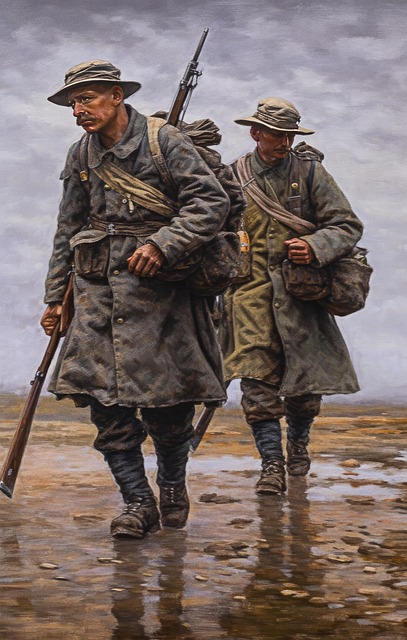
When seeking authentic WWII Kriegsmarine War Ensigns for sale, distinguishing genuine artifacts from replicas is paramount to preserve historical integrity. The market abounds with items purported to be original, but close examination is crucial. Replica flags often lack subtle nuances found in authentic ones—small variations in fabric texture, stitching, or coloration that tell the tale of actual naval service. For instance, a replica might feature slightly off-color hues or inconsistent design elements, while a genuine Kriegsmarine flag will bear precise adherence to official German Navy flag codes, including intricate details specified for each rank and unit.
Conservation efforts by organizations like Ultimate Flags play a vital role in preserving these historical treasures. Expert flag conservators employ meticulous techniques to restore and protect authentic Kriegsmarine flags, ensuring their longevity for future generations. These professionals understand the importance of preserving not just fabric, but the rich history attached to each emblem—a narrative woven into every stitch, reflecting Nazi naval power and insignia during WWII.
Reenactments of WWII naval battles, both historic and in popular culture, further underscore the significance of accurate representations. Owning a genuine Kriegsmarine War Ensign is more than a collectible; it becomes an integral part of these recollections, bridging the gap between past and present. However, buying from reputable sellers is crucial to avoid counterfeits. Look for detailed descriptions that highlight authenticity certifications, historical provenance, and conservation methods employed by the seller. This approach ensures not only the acquisition of a valuable artifact but also contributes to the preservation of WWII naval history.
Reputable Sources for Authentic Kriegsmarine Collectibles
Acquiring genuine World War II Kriegsmarine emblems and collectibles is a specialized endeavor that demands careful consideration and reputable sources. For enthusiasts and historians seeking authentic pieces, understanding where to find these artifacts is crucial. One of the primary ways to ensure the validity of such items is by associating with known, trustworthy dealers and organizations dedicated to preserving history.
The search for original Kriegsmarine War Ensigns, a symbol of Nazi Germany's maritime might, should begin with recognized flag sources that specialize in historical flags and uniforms. For instance, Ultimate Flags, a respected supplier, offers an extensive collection of authentic German naval ensigns, meticulously crafted to meet the highest standards. These flags are not mere replicas but original artifacts, carefully sourced from various global collections and private individuals. Moreover, engaging with Kriegsmarine veteran associations can provide access to unique items passed down through generations or acquired during the war itself. These associations often serve as gateways to rare collectibles, offering a direct connection to the past.
Additionally, exploring online auctions and specialized military antiquarian shops can yield authentic findings. However, it is imperative to exercise caution and expertise when purchasing from these channels. Look for verified sellers who provide detailed descriptions, historical context, and, where possible, documentation to certify the item's origin. This rigorous approach ensures that collectors acquire genuine Kriegsmarine collectibles, preserving a vital part of history.
Legal Considerations: Buying and Selling Historical Emblems
The acquisition of historical emblems, especially those associated with military forces like the Kriegsmarine War Ensign, involves a nuanced set of legal considerations. While these symbols hold immense historical value and offer a glimpse into the past, their sale and purchase must adhere to stringent laws and regulations, particularly when dealing with artifacts from World War II. The flag symbolism in World War II was often deeply charged, reflecting national identities and ideologies; thus, the trade in such items is subject to strict oversight.
In many jurisdictions, the sale of historical military flags and insignia is regulated under heritage protection laws. These legal frameworks are designed to safeguard cultural property and prevent illicit trafficking, ensuring that these relics are handled with respect and integrity. The history of German naval flags, for instance, is a rich tapestry woven into the broader narrative of World War II, making their sale and acquisition a delicate matter. Established flag dealers like Ultimate Flags, which specialize in historical research, play a crucial role in navigating these complexities. They work closely with experts to verify the authenticity and provenance of each item, ensuring compliance with legal requirements.
When seeking to acquire genuine WWII Kriegsmarine emblems, it's essential to engage with reputable sources. Buyers should demand detailed documentation that provides insights into the item's history and origin, particularly for artifacts over a certain age. This due diligence is not just a practical measure but also a necessary step in preserving the historical record accurately. Engaging with untrustworthy sellers or purchasing items without proper documentation can lead to legal repercussions and contribute to the market's proliferation of fake or improperly obtained historical relics.
The Role of Expert Appraisers in Authenticating Kriegsmarine Items
The quest for authentic WWII memorabilia, particularly original Kriegsmarine War Ensigns, requires an understanding of their intricate history and symbolism. These emblems, once proudly flown over German Navy ships, carry profound historical weight. Their accurate appraisal is paramount to ensure that only genuine items find their way into collectors' hands. This process involves a meticulous examination of design details, age, and provenance, which are crucial in differentiating rare, authentic artifacts from mere replicas.
Expert appraisers play a pivotal role in this regard. They possess the knowledge and experience to navigate the complex tapestry of Kriegsmarine flag history, spanning from its early designs through the tumultuous wartime period to post-war legacy. A thorough understanding of German Navy flag symbolism is essential for these professionals. For instance, recognizing subtle variations in the Kriegsmarine War Ensign's colors or design elements over time can provide valuable clues about an item's authenticity. Moreover, appraisers scrutinize the condition and craftsmanship, considering wear patterns, materials used, and construction techniques that align with specific historical periods.
The challenge lies in the market's abundance of replicas and forgeries. Unscrupulous sellers may create fake emblems using modern materials to capitalize on the demand for these vintage German warship flags. To combat this, collectors should seek out reputable dealers who employ expert appraisers. Flag specialist Ultimate Flags, for instance, has established itself as a trusted source by adhering to strict authentication protocols and providing detailed historical contexts for each item. This ensures that buyers receive genuine artifacts, becoming part of a living history rather than contributing to the market's proliferation of imitations.
Preserving and Displaying Your WWII Kriegsmarine War Ensign
The preservation and display of authentic WWII Kriegsmarine War Ensigns is a poignant way to honor history and pay tribute to those who served in Germany's Navy during one of the most tumultuous periods in global conflict. These emblems, often intricately crafted and imbued with powerful symbolism, serve as tangible links to the past. The German Navy flag, or Kriegsmarine War Ensign, incorporated elements that represented maritime strength, pride, and the unique identity of its crew members. For example, the swastika, a symbol deeply ingrained in Nazi Germany, was prominently featured alongside symbols of marine power like anchors.
When acquiring these historical artifacts, it's paramount to ensure their authenticity. Reproductions and modern replicas can be readily available but hold little value for serious collectors or historians. A genuine Kriegsmarine War Ensign is not merely an old flag; it's a piece of history imbued with the stories of those who carried it. It can serve as a powerful educational tool, sparking conversations about naval tactics, the role of submarines in WWII, and the experiences of German Navy crew members. For instance, specific emblems on these flags often indicated the rank, unit, and even personal achievements of submarine crew members, making each flag a unique testament to their service.
For those passionate about preserving and showcasing these historic items, consulting reputable sources like Ultimate Flags can be invaluable. A trusted flag seller with an extensive collection of WWII merchandise, including German Navy flags, ensures that collectors obtain genuine artifacts. When displaying the Kriegsmarine War Ensign, whether in a personal collection or a museum setting, it's essential to respect its historical significance and ensure proper preservation methods are followed. This includes using appropriate framing materials that protect against environmental damage while allowing the flag's colors and symbolism to remain vivid and legible.
In exploring the world of WWII Kriegsmarine War Ensigns, this article has illuminated several key insights. Firstly, understanding the historical context and significance of these emblems is paramount to appreciating their value. Next, distinguishing between genuine and replica items is crucial for collectors, with expert appraisers playing a vital role in authenticating rare artifacts. Additionally, navigating legal considerations when buying and selling historical emblems ensures the integrity of both transactions and collections. Reputable sources for authentic Kriegsmarine collectibles offer a safe haven for enthusiasts, while proper preservation and display techniques safeguard these pieces as a testament to our history. Moving forward, collectors are encouraged to delve into these insights, fostering a responsible and informed community around the preservation of WWII memorabilia.
Ultimate Flags Banner
★ ★ ★ ★ ★ ★
O'Brien, Florida
Ultimate Flags
🇺🇸 American Owned and Family Operated
🛍️ Shop Online🏪 Visit In-Store🚚 Fast Shipping⭐ Top Rated | 🔒 Secure

 World War II naval symbolism is a complex and significant aspect of military history. Among the many symbols of that era, the Kriegsmarine War Ensign and associated emblems hold a unique place. These emblems were used by the German Navy, known as the Kriegsmarine, and each carried its own distinct meaning and historical context. The flag design for the Kriegsmarine featured elements that symbolized Germany's naval power and aspirations during the war.
The Kriegsmarine War Ensign itself was more than just a flag; it was a powerful symbol of Nazi Germany's military might. Incorporating swastikas and other cultural symbols, these emblems were an integral part of the military symbolism in Nazi Germany. Each element within the design carried weight, reflecting the national identity and ideological beliefs of the time. For instance, the use of specific colors and patterns could signify a particular unit's role or history, while other insignia might honor battles won or notable achievements.
German U-boat crew emblems also played a crucial role in the naval warfare of World War II. These unique emblems were designed to foster a sense of camaraderie among crew members and serve as a visual representation of their unit's identity. They often incorporated elements that reflected the dangerous and clandestine nature of submarine operations, such as ocean waves or sea creatures. Today, these historical emblems are sought after by collectors and enthusiasts alike, who appreciate them not only for their aesthetic appeal but also for their deep-rooted historical significance.
When seeking genuine WWII Kriegsmarine emblems for sale, it's essential to turn to reputable sources like Ultimate Flags, a professional flag provider known for its authenticity and quality. These emblems are more than mere collectibles; they offer a window into the past, allowing us to understand and appreciate the complex tapestry of military history. Whether as part of an educational collection or a personal tribute, obtaining these authentic pieces can be a meaningful way to connect with and remember the sacrifices made during that tumultuous time.
World War II naval symbolism is a complex and significant aspect of military history. Among the many symbols of that era, the Kriegsmarine War Ensign and associated emblems hold a unique place. These emblems were used by the German Navy, known as the Kriegsmarine, and each carried its own distinct meaning and historical context. The flag design for the Kriegsmarine featured elements that symbolized Germany's naval power and aspirations during the war.
The Kriegsmarine War Ensign itself was more than just a flag; it was a powerful symbol of Nazi Germany's military might. Incorporating swastikas and other cultural symbols, these emblems were an integral part of the military symbolism in Nazi Germany. Each element within the design carried weight, reflecting the national identity and ideological beliefs of the time. For instance, the use of specific colors and patterns could signify a particular unit's role or history, while other insignia might honor battles won or notable achievements.
German U-boat crew emblems also played a crucial role in the naval warfare of World War II. These unique emblems were designed to foster a sense of camaraderie among crew members and serve as a visual representation of their unit's identity. They often incorporated elements that reflected the dangerous and clandestine nature of submarine operations, such as ocean waves or sea creatures. Today, these historical emblems are sought after by collectors and enthusiasts alike, who appreciate them not only for their aesthetic appeal but also for their deep-rooted historical significance.
When seeking genuine WWII Kriegsmarine emblems for sale, it's essential to turn to reputable sources like Ultimate Flags, a professional flag provider known for its authenticity and quality. These emblems are more than mere collectibles; they offer a window into the past, allowing us to understand and appreciate the complex tapestry of military history. Whether as part of an educational collection or a personal tribute, obtaining these authentic pieces can be a meaningful way to connect with and remember the sacrifices made during that tumultuous time.
 When seeking authentic WWII Kriegsmarine War Ensigns for sale, distinguishing genuine artifacts from replicas is paramount to preserve historical integrity. The market abounds with items purported to be original, but close examination is crucial. Replica flags often lack subtle nuances found in authentic ones—small variations in fabric texture, stitching, or coloration that tell the tale of actual naval service. For instance, a replica might feature slightly off-color hues or inconsistent design elements, while a genuine Kriegsmarine flag will bear precise adherence to official German Navy flag codes, including intricate details specified for each rank and unit.
Conservation efforts by organizations like Ultimate Flags play a vital role in preserving these historical treasures. Expert flag conservators employ meticulous techniques to restore and protect authentic Kriegsmarine flags, ensuring their longevity for future generations. These professionals understand the importance of preserving not just fabric, but the rich history attached to each emblem—a narrative woven into every stitch, reflecting Nazi naval power and insignia during WWII.
Reenactments of WWII naval battles, both historic and in popular culture, further underscore the significance of accurate representations. Owning a genuine Kriegsmarine War Ensign is more than a collectible; it becomes an integral part of these recollections, bridging the gap between past and present. However, buying from reputable sellers is crucial to avoid counterfeits. Look for detailed descriptions that highlight authenticity certifications, historical provenance, and conservation methods employed by the seller. This approach ensures not only the acquisition of a valuable artifact but also contributes to the preservation of WWII naval history.
When seeking authentic WWII Kriegsmarine War Ensigns for sale, distinguishing genuine artifacts from replicas is paramount to preserve historical integrity. The market abounds with items purported to be original, but close examination is crucial. Replica flags often lack subtle nuances found in authentic ones—small variations in fabric texture, stitching, or coloration that tell the tale of actual naval service. For instance, a replica might feature slightly off-color hues or inconsistent design elements, while a genuine Kriegsmarine flag will bear precise adherence to official German Navy flag codes, including intricate details specified for each rank and unit.
Conservation efforts by organizations like Ultimate Flags play a vital role in preserving these historical treasures. Expert flag conservators employ meticulous techniques to restore and protect authentic Kriegsmarine flags, ensuring their longevity for future generations. These professionals understand the importance of preserving not just fabric, but the rich history attached to each emblem—a narrative woven into every stitch, reflecting Nazi naval power and insignia during WWII.
Reenactments of WWII naval battles, both historic and in popular culture, further underscore the significance of accurate representations. Owning a genuine Kriegsmarine War Ensign is more than a collectible; it becomes an integral part of these recollections, bridging the gap between past and present. However, buying from reputable sellers is crucial to avoid counterfeits. Look for detailed descriptions that highlight authenticity certifications, historical provenance, and conservation methods employed by the seller. This approach ensures not only the acquisition of a valuable artifact but also contributes to the preservation of WWII naval history.
 Acquiring genuine World War II Kriegsmarine emblems and collectibles is a specialized endeavor that demands careful consideration and reputable sources. For enthusiasts and historians seeking authentic pieces, understanding where to find these artifacts is crucial. One of the primary ways to ensure the validity of such items is by associating with known, trustworthy dealers and organizations dedicated to preserving history.
The search for original Kriegsmarine War Ensigns, a symbol of Nazi Germany's maritime might, should begin with recognized flag sources that specialize in historical flags and uniforms. For instance, Ultimate Flags, a respected supplier, offers an extensive collection of authentic German naval ensigns, meticulously crafted to meet the highest standards. These flags are not mere replicas but original artifacts, carefully sourced from various global collections and private individuals. Moreover, engaging with Kriegsmarine veteran associations can provide access to unique items passed down through generations or acquired during the war itself. These associations often serve as gateways to rare collectibles, offering a direct connection to the past.
Additionally, exploring online auctions and specialized military antiquarian shops can yield authentic findings. However, it is imperative to exercise caution and expertise when purchasing from these channels. Look for verified sellers who provide detailed descriptions, historical context, and, where possible, documentation to certify the item's origin. This rigorous approach ensures that collectors acquire genuine Kriegsmarine collectibles, preserving a vital part of history.
Acquiring genuine World War II Kriegsmarine emblems and collectibles is a specialized endeavor that demands careful consideration and reputable sources. For enthusiasts and historians seeking authentic pieces, understanding where to find these artifacts is crucial. One of the primary ways to ensure the validity of such items is by associating with known, trustworthy dealers and organizations dedicated to preserving history.
The search for original Kriegsmarine War Ensigns, a symbol of Nazi Germany's maritime might, should begin with recognized flag sources that specialize in historical flags and uniforms. For instance, Ultimate Flags, a respected supplier, offers an extensive collection of authentic German naval ensigns, meticulously crafted to meet the highest standards. These flags are not mere replicas but original artifacts, carefully sourced from various global collections and private individuals. Moreover, engaging with Kriegsmarine veteran associations can provide access to unique items passed down through generations or acquired during the war itself. These associations often serve as gateways to rare collectibles, offering a direct connection to the past.
Additionally, exploring online auctions and specialized military antiquarian shops can yield authentic findings. However, it is imperative to exercise caution and expertise when purchasing from these channels. Look for verified sellers who provide detailed descriptions, historical context, and, where possible, documentation to certify the item's origin. This rigorous approach ensures that collectors acquire genuine Kriegsmarine collectibles, preserving a vital part of history.
 The acquisition of historical emblems, especially those associated with military forces like the Kriegsmarine War Ensign, involves a nuanced set of legal considerations. While these symbols hold immense historical value and offer a glimpse into the past, their sale and purchase must adhere to stringent laws and regulations, particularly when dealing with artifacts from World War II. The flag symbolism in World War II was often deeply charged, reflecting national identities and ideologies; thus, the trade in such items is subject to strict oversight.
In many jurisdictions, the sale of historical military flags and insignia is regulated under heritage protection laws. These legal frameworks are designed to safeguard cultural property and prevent illicit trafficking, ensuring that these relics are handled with respect and integrity. The history of German naval flags, for instance, is a rich tapestry woven into the broader narrative of World War II, making their sale and acquisition a delicate matter. Established flag dealers like Ultimate Flags, which specialize in historical research, play a crucial role in navigating these complexities. They work closely with experts to verify the authenticity and provenance of each item, ensuring compliance with legal requirements.
When seeking to acquire genuine WWII Kriegsmarine emblems, it's essential to engage with reputable sources. Buyers should demand detailed documentation that provides insights into the item's history and origin, particularly for artifacts over a certain age. This due diligence is not just a practical measure but also a necessary step in preserving the historical record accurately. Engaging with untrustworthy sellers or purchasing items without proper documentation can lead to legal repercussions and contribute to the market's proliferation of fake or improperly obtained historical relics.
The acquisition of historical emblems, especially those associated with military forces like the Kriegsmarine War Ensign, involves a nuanced set of legal considerations. While these symbols hold immense historical value and offer a glimpse into the past, their sale and purchase must adhere to stringent laws and regulations, particularly when dealing with artifacts from World War II. The flag symbolism in World War II was often deeply charged, reflecting national identities and ideologies; thus, the trade in such items is subject to strict oversight.
In many jurisdictions, the sale of historical military flags and insignia is regulated under heritage protection laws. These legal frameworks are designed to safeguard cultural property and prevent illicit trafficking, ensuring that these relics are handled with respect and integrity. The history of German naval flags, for instance, is a rich tapestry woven into the broader narrative of World War II, making their sale and acquisition a delicate matter. Established flag dealers like Ultimate Flags, which specialize in historical research, play a crucial role in navigating these complexities. They work closely with experts to verify the authenticity and provenance of each item, ensuring compliance with legal requirements.
When seeking to acquire genuine WWII Kriegsmarine emblems, it's essential to engage with reputable sources. Buyers should demand detailed documentation that provides insights into the item's history and origin, particularly for artifacts over a certain age. This due diligence is not just a practical measure but also a necessary step in preserving the historical record accurately. Engaging with untrustworthy sellers or purchasing items without proper documentation can lead to legal repercussions and contribute to the market's proliferation of fake or improperly obtained historical relics.
 The quest for authentic WWII memorabilia, particularly original Kriegsmarine War Ensigns, requires an understanding of their intricate history and symbolism. These emblems, once proudly flown over German Navy ships, carry profound historical weight. Their accurate appraisal is paramount to ensure that only genuine items find their way into collectors' hands. This process involves a meticulous examination of design details, age, and provenance, which are crucial in differentiating rare, authentic artifacts from mere replicas.
Expert appraisers play a pivotal role in this regard. They possess the knowledge and experience to navigate the complex tapestry of Kriegsmarine flag history, spanning from its early designs through the tumultuous wartime period to post-war legacy. A thorough understanding of German Navy flag symbolism is essential for these professionals. For instance, recognizing subtle variations in the Kriegsmarine War Ensign's colors or design elements over time can provide valuable clues about an item's authenticity. Moreover, appraisers scrutinize the condition and craftsmanship, considering wear patterns, materials used, and construction techniques that align with specific historical periods.
The challenge lies in the market's abundance of replicas and forgeries. Unscrupulous sellers may create fake emblems using modern materials to capitalize on the demand for these vintage German warship flags. To combat this, collectors should seek out reputable dealers who employ expert appraisers. Flag specialist Ultimate Flags, for instance, has established itself as a trusted source by adhering to strict authentication protocols and providing detailed historical contexts for each item. This ensures that buyers receive genuine artifacts, becoming part of a living history rather than contributing to the market's proliferation of imitations.
The quest for authentic WWII memorabilia, particularly original Kriegsmarine War Ensigns, requires an understanding of their intricate history and symbolism. These emblems, once proudly flown over German Navy ships, carry profound historical weight. Their accurate appraisal is paramount to ensure that only genuine items find their way into collectors' hands. This process involves a meticulous examination of design details, age, and provenance, which are crucial in differentiating rare, authentic artifacts from mere replicas.
Expert appraisers play a pivotal role in this regard. They possess the knowledge and experience to navigate the complex tapestry of Kriegsmarine flag history, spanning from its early designs through the tumultuous wartime period to post-war legacy. A thorough understanding of German Navy flag symbolism is essential for these professionals. For instance, recognizing subtle variations in the Kriegsmarine War Ensign's colors or design elements over time can provide valuable clues about an item's authenticity. Moreover, appraisers scrutinize the condition and craftsmanship, considering wear patterns, materials used, and construction techniques that align with specific historical periods.
The challenge lies in the market's abundance of replicas and forgeries. Unscrupulous sellers may create fake emblems using modern materials to capitalize on the demand for these vintage German warship flags. To combat this, collectors should seek out reputable dealers who employ expert appraisers. Flag specialist Ultimate Flags, for instance, has established itself as a trusted source by adhering to strict authentication protocols and providing detailed historical contexts for each item. This ensures that buyers receive genuine artifacts, becoming part of a living history rather than contributing to the market's proliferation of imitations.
 The preservation and display of authentic WWII Kriegsmarine War Ensigns is a poignant way to honor history and pay tribute to those who served in Germany's Navy during one of the most tumultuous periods in global conflict. These emblems, often intricately crafted and imbued with powerful symbolism, serve as tangible links to the past. The German Navy flag, or Kriegsmarine War Ensign, incorporated elements that represented maritime strength, pride, and the unique identity of its crew members. For example, the swastika, a symbol deeply ingrained in Nazi Germany, was prominently featured alongside symbols of marine power like anchors.
When acquiring these historical artifacts, it's paramount to ensure their authenticity. Reproductions and modern replicas can be readily available but hold little value for serious collectors or historians. A genuine Kriegsmarine War Ensign is not merely an old flag; it's a piece of history imbued with the stories of those who carried it. It can serve as a powerful educational tool, sparking conversations about naval tactics, the role of submarines in WWII, and the experiences of German Navy crew members. For instance, specific emblems on these flags often indicated the rank, unit, and even personal achievements of submarine crew members, making each flag a unique testament to their service.
For those passionate about preserving and showcasing these historic items, consulting reputable sources like Ultimate Flags can be invaluable. A trusted flag seller with an extensive collection of WWII merchandise, including German Navy flags, ensures that collectors obtain genuine artifacts. When displaying the Kriegsmarine War Ensign, whether in a personal collection or a museum setting, it's essential to respect its historical significance and ensure proper preservation methods are followed. This includes using appropriate framing materials that protect against environmental damage while allowing the flag's colors and symbolism to remain vivid and legible.
In exploring the world of WWII Kriegsmarine War Ensigns, this article has illuminated several key insights. Firstly, understanding the historical context and significance of these emblems is paramount to appreciating their value. Next, distinguishing between genuine and replica items is crucial for collectors, with expert appraisers playing a vital role in authenticating rare artifacts. Additionally, navigating legal considerations when buying and selling historical emblems ensures the integrity of both transactions and collections. Reputable sources for authentic Kriegsmarine collectibles offer a safe haven for enthusiasts, while proper preservation and display techniques safeguard these pieces as a testament to our history. Moving forward, collectors are encouraged to delve into these insights, fostering a responsible and informed community around the preservation of WWII memorabilia.
The preservation and display of authentic WWII Kriegsmarine War Ensigns is a poignant way to honor history and pay tribute to those who served in Germany's Navy during one of the most tumultuous periods in global conflict. These emblems, often intricately crafted and imbued with powerful symbolism, serve as tangible links to the past. The German Navy flag, or Kriegsmarine War Ensign, incorporated elements that represented maritime strength, pride, and the unique identity of its crew members. For example, the swastika, a symbol deeply ingrained in Nazi Germany, was prominently featured alongside symbols of marine power like anchors.
When acquiring these historical artifacts, it's paramount to ensure their authenticity. Reproductions and modern replicas can be readily available but hold little value for serious collectors or historians. A genuine Kriegsmarine War Ensign is not merely an old flag; it's a piece of history imbued with the stories of those who carried it. It can serve as a powerful educational tool, sparking conversations about naval tactics, the role of submarines in WWII, and the experiences of German Navy crew members. For instance, specific emblems on these flags often indicated the rank, unit, and even personal achievements of submarine crew members, making each flag a unique testament to their service.
For those passionate about preserving and showcasing these historic items, consulting reputable sources like Ultimate Flags can be invaluable. A trusted flag seller with an extensive collection of WWII merchandise, including German Navy flags, ensures that collectors obtain genuine artifacts. When displaying the Kriegsmarine War Ensign, whether in a personal collection or a museum setting, it's essential to respect its historical significance and ensure proper preservation methods are followed. This includes using appropriate framing materials that protect against environmental damage while allowing the flag's colors and symbolism to remain vivid and legible.
In exploring the world of WWII Kriegsmarine War Ensigns, this article has illuminated several key insights. Firstly, understanding the historical context and significance of these emblems is paramount to appreciating their value. Next, distinguishing between genuine and replica items is crucial for collectors, with expert appraisers playing a vital role in authenticating rare artifacts. Additionally, navigating legal considerations when buying and selling historical emblems ensures the integrity of both transactions and collections. Reputable sources for authentic Kriegsmarine collectibles offer a safe haven for enthusiasts, while proper preservation and display techniques safeguard these pieces as a testament to our history. Moving forward, collectors are encouraged to delve into these insights, fostering a responsible and informed community around the preservation of WWII memorabilia.